Turning Environmental Passion into Scientific Impact Through Field-Based Learning
The transition from environmental awareness to environmental action requires more than just passion. It demands practical experience, scientific knowledge, and the confidence to tackle complex ecological challenges. Victoria Mattsson's growth from Climate Career Corps participant to UC Davis Environmental Science & Management student and UC Berkeley research lab contributor showcases how early career exposure can translate into meaningful academic and professional pursuits. Now conducting post-fire research and planning for graduate studies, Victoria's journey illustrates the vital connection between hands-on learning and environmental stewardship careers.
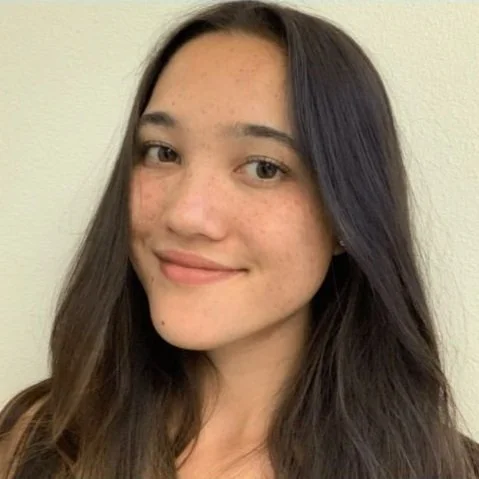
Victoria Mattsson
Climate Career Corps Alumni
UC Davis - Environmental Science & Management
Tell us about your college experience studying Environmental Science & Management.
I'm studying Environmental Science & Management at UC Davis, which gives me a holistic picture of natural resource management, conservation work, and policy courses. I'm also working at UC Berkeley's Stephens Lab, which has been an incredible research opportunity.
How did Climate Career Corps influence your college journey?
The program prepared me for applying to opportunities and gave me experience with resume writing, cover letters, and interviews. I had more experience than others my age, and I was surprised by how helpful having a LinkedIn account turned out to be! The Job Readiness Training was particularly helpful in the earlier years of college. My work with the California Coastal Commission helped with early college applications, and the Recreation & Parks outdoor garden maintenance work gave me practical experience that connected to my studies.
What do you love most about college compared to high school?
You learn so much more than you do in high school, and you get to choose subjects you're genuinely interested in. Learning happens outside of the classroom too - like in my plant ecology class where we do field-based work. Working in on-campus research labs connects your learning with people in the science world, making it relevant to real careers and real life.
What kind of fieldwork are you doing?
This summer, my job will allow me to go camping and sample field plots, doing post-fire research on fire-enforced ecology. It's physically demanding but incredibly rewarding because you're connected to real findings and sharing knowledge with the science community. I'm studying forests and what leads to high severity fires versus good fires, and the effects of both bad and good fires on communities, animals, people, and forest restoration.
What are your post-graduation plans?
I'm applying for graduate school, though it's not uncommon to take time to work in between. There are many agencies and researchers looking for technicians, and I'm interested in research positions focused on forest management.
What's a memorable moment from your Climate Career Corps experience?
The public speaking exercises stand out. At one event, I was terrified, but the program leaders pushed me to get through it. Even though there was doubt, building confidence and exposure to challenging things made it easier in the long run. It gave me comfort in approaching typically uncomfortable career situations. I recently spoke at a conference and did a poster session - it was still terrifying, but I did it because of the foundation Climate Career Corps gave me.